
Why SKYNET Cannot Conquer the Hospital Supply Chain
Artificial intelligence (AI) is transforming how hospital product supply chains operate, creating new opportunities to improve efficiency, accuracy, and resilience. As healthcare systems face growing pressure to deliver high-quality care with limited resources, AI-driven tools are helping manufacturers and distributors respond faster and smarter.
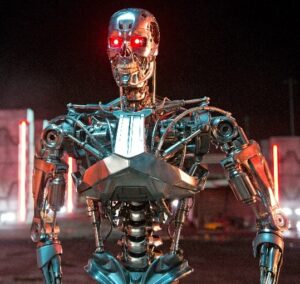
The future of Hospital Supply Chains?
However, these advances come with real challenges. AI systems are expensive to implement and, if not carefully managed, can introduce costly errors. Ultimately, healthcare is about people, not algorithms. It requires thoughtful human involvement. While human decisions are not always perfect, they ensure that care remains dynamic, compassionate, and responsive to patient needs—qualities no computer can fully replicate.
Smarter Forecasting and Greater Visibility
AI plays an increasingly valuable role in medical supply chains by improving demand forecasting. By analyzing large datasets such as hospital admissions, procedure volumes, and public health trends, AI can predict what products will be needed and when. This allows manufacturers and distributors to anticipate shortages, adjust production, and ensure that essential products like gloves, gowns, and syringes are always available.
When combined with Internet of Things (IoT) technology, AI also improves supply chain visibility. Smart sensors and real-time dashboards track inventory, monitor temperature-sensitive shipments, and evaluate supplier performance. These insights help reduce waste, prevent expired stock, and support regulatory compliance while empowering faster, data-based decisions.
Efficiency, Cost, and the Human Element
AI tools can identify inefficiencies that manual processes may overlook, optimizing logistics, procurement, and maintenance schedules. This leads to fewer disruptions, lower costs, and faster delivery across the healthcare supply chain. Yet, implementing AI is expensive and time-consuming. Hospitals often still rely on manual or paper-based systems that work for their unique workflows.
At Vital Care Industries, we recognize that technology performs best when guided by people. Like the healthcare professionals we serve, our focus remains on individuals rather than systems of algorithms. Our success depends on combining innovation with the human judgment that ensures products reach hospitals when they are needed most.
Looking Ahead with Vital Care
AI is reshaping how hospital product supply chains function, making them smarter, faster, and more responsive. At Vital Care Industries, we continue to integrate advanced AI tools responsibly to enhance performance, improve forecasting, and maintain supply reliability. These technologies help us ensure that hospitals receive quality products on time while keeping prices stable even in challenging tariff environments.
Vital Care believes the future of hospital supply chains lies in the partnership between people and technology. AI can enhance efficiency and decision-making, but human expertise will always remain at the heart of healthcare. By combining both, Vital Care continues to deliver dependable products and trusted service to the hospitals and healthcare professionals who rely on us every day.